Professional Dryer Vent Cleaning Everett, WA
Keep your dryer safe, efficient, and energy-smart with our trusted local Everett specialists.
Why Dryer Vents Clog
High humidity (Nov–Mar) in Everett mixes with lint to form stubborn clogs, slowing drying and raising energy bills 20–30%.
Older Homes Risk
Longer, bendy duct runs in older homes trap debris faster, common around Everett Station, port, or Naval Station areas.
Waterfront & Damp Areas
Homes near Everett Marina, Snohomish River, Jetty Island, and Cascades foothills experience faster buildup due to extra moisture.
Expert Local Technicians
Licensed & insured Washington State team familiar with Everett home layouts and vent systems.
Trusted Service
10+ years experience, hundreds of local homeowners served; consistent, no-mess service with no high-pressure sales.
Benefits of Cleaning
Restores dryer efficiency, keeps laundry room cooler, reduces fire risks from lint, and prevents future problems in Everett’s damp climate.
Serving all Everett neighborhoods • Residential Specialists • Licensed & Insured
How Everett Winters Make Clogged Dryer Vents a Bigger Risk (And Why Cleaning Matters)?
Hey neighbor, winter in Everett is tough on dryers. With rain constant and humidity hitting 80-85% from November through March (sometimes higher near the water), clothes come out damper, so you run extra cycles. That means more hot, moist air pushing through the vent—and more lint mixing with condensation to form thick, sticky buildup. In a typical Everett home, especially older ones with bends or long runs, this sludge restricts airflow fast. Pretty soon, drying times double, the laundry room turns steamy and hot, and you start noticing musty smells on everything.
Most customers in Pinehurst or Harbourview call us when they hit these points: “Why does my dryer feel scorching hot lately?” or “My towels smell off—is that mold from the vent?” One thing that always bugs me is how folks focus on the lint trap but forget the vent line. The trap catches some, but way more slips past, clumps up with winter moisture, and hardens. Restricted flow traps humidity inside, which can lead to mold or mildew in the ducts—bad news for indoor air, especially if you’ve got kids or asthma in the house near green spots like Glacier View or Holly.
The real risks pile up quick if ignored:
Fire Hazard
Lint is super flammable. Packed in tight, it blocks exhaust, overheats the dryer, and creates spark points. National Fire Protection Association data shows dryers cause around 16,000 home fires a year nationwide, with lint buildup as the top culprit (92% of dryer-related incidents). We’ve seen how Everett’s damp air speeds this up—local departments handle dryer fires every so often, like that apartment case a couple years back.
Poor Performance & Higher Bills
Dryer works harder and longer, bumping energy use 20-30% in wet months. Cycles drag on forever.
Appliance Damage
Overheating wears out heating elements, motors, and belts faster—leading to costly repairs or full replacements.
Health Concerns
Clogged vents push lint, dust, and mold spores back into your air. For gas dryers, backdrafting raises carbon monoxide worries. In our humid winters, trapped moisture grows mold in ducts, irritating lungs or allergies.
Addressing this before peak winter hits prevents the headaches. Our cleaning clears the gunk, restores safe airflow, and gives you peace of mind—no more guessing if that smell or heat is normal.
Next up: Our straightforward process that fixes all this.
Our Dryer Vent Cleaning Process
Look, when we show up to clean your dryer vent in Everett, we keep it simple and thorough—no shortcuts, because half-measures just push the problem around. Usually we start by pulling the dryer out a bit (if space allows) and doing a quick visual inspection: checking connections behind the dryer, the flexible hose for kinks or sags, and the exterior termination point. In waterfront homes or those with roof vents, we always look for stuck flaps, bird nests, or leaves jamming things up—common here near Puget Sound.
Next comes the camera assessment. We snake a flexible high-res camera through the whole line from dryer to outside. This shows exactly where buildup hides—often in bends or long runs typical in older Everett houses. You’ll see the live feed too, so no surprises.
Then the real cleaning: We hook up a high-powered vacuum (often with negative air pressure to pull everything outward and keep your laundry room clean) and feed rotary brush tools through. It scrubs lint, dust, and any moisture-clumped gunk from end to end without scratching ducts.
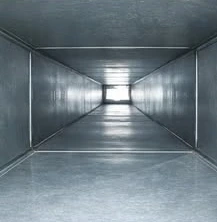
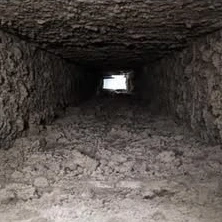
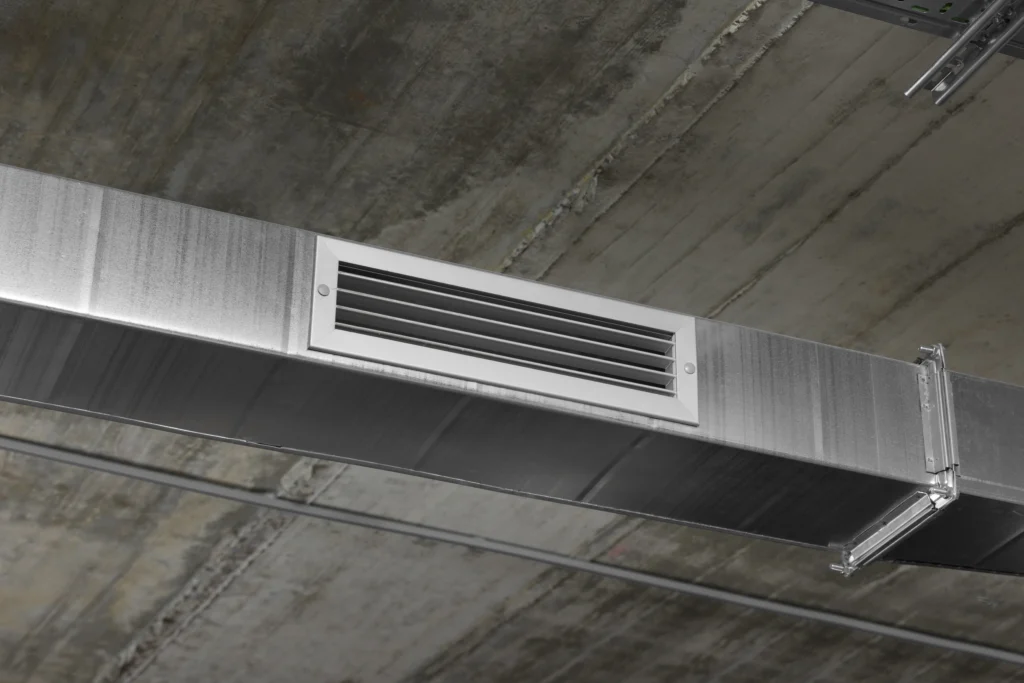
We finish outside—remove the vent hood or cap, clear blockages, fix flap operation if it’s sticking. Back inside, we reassemble securely, then run airflow testing: fire up the dryer and measure exhaust strength (aiming for 60-100 cubic feet per minute; most jobs jump 50-200% after). We do a short test cycle to check for hot spots or noises.
Finally, safety checks: verify venting materials (metal preferred over flexible foil), clearance from combustibles, and flag any minor repairs needed. The whole thing usually takes 45-90 minutes, but it varies—if your vent snakes through an attic or has multiple turns, we might go longer to get every bit out. We leave you with before/after notes and tips to keep it clear longer.
It’s straightforward work that makes a real difference—no mess, no drama.
Dryer Vent Safety Standards and Codes in Everett, WA
After our cleaning process, it’s helpful to understand the safety standards your dryer vent should meet—especially in Everett homes.
Dryer vent safety standards are primarily governed by a combination of building codes, fire protection guidelines, and product safety listings in the United States. These focus on preventing fires (the leading risk from lint buildup), ensuring proper airflow, reducing energy waste, and avoiding issues like mold or carbon monoxide backdrafting in gas dryers.
Key Organizations and Standards
- NFPA (National Fire Protection Association): Provides critical fire safety data and recommendations. Dryers cause around 15,000–16,000 home fires annually in the U.S., with lint accumulation as the primary factor in most cases (often 92% of dryer-related incidents). NFPA emphasizes regular cleaning (at least annually or more often if signs appear, like longer drying times) and proper venting to outdoors only. They do not mandate a strict cleaning frequency but strongly recommend it to prevent fires.
- UL (Underwriters Laboratories): Sets product safety standards for components.
- UL 2158A: For flexible transition ducts (the short hose connecting the dryer to the wall duct). These must be listed/labeled, limited to a single length of no more than 8 feet, not concealed in walls/ceilings, and rated for high temperatures (up to 430°F).
- UL 705: For domestic dryer exhaust duct power ventilators (booster fans, if used).
- UL 2158: General for dryer ducts.
- International Residential Code (IRC) (e.g., 2021 edition, widely adopted and referenced in 2024–2026 updates) and International Mechanical Code (IMC): These model codes (updated periodically, with many locales using 2021/2024 versions) outline installation requirements in Section M1502 (IRC) or equivalent in IMC.
- Duct material: Rigid or semi-rigid smooth metal (galvanized steel or aluminum, 4-inch diameter minimum) for concealed/exhaust runs to minimize lint buildup and maximize airflow. Flexible foil/plastic is prohibited for permanent ducts (high fire risk and poor flow).
- Transition duct (from dryer to wall): Only UL 2158A-listed flexible, max 8 ft, visible/not concealed.
- Maximum exhaust duct length: Typically 35 feet from dryer connection to termination (before fittings); deduct 5 feet per 90° elbow and 2.5 feet per 45° elbow. If longer, manufacturer instructions or equivalent length tables apply; label if concealed.
- Termination: Must exhaust to the outdoors (never attic, crawlspace, chimney, or indoors). Equipped with a backdraft damper. No screens at the termination (lint clogs them, creating fire hazard). Terminate at least 3 feet from doors, windows, or building openings (unless manufacturer specifies otherwise). Often 12 inches minimum off the ground.
- Independent system: Dryer exhaust cannot share vents with other appliances (e.g., bath fans or chimneys).
- Joints/seals: Use approved tape (e.g., UL-listed metal foil tape); no sheet metal screws protruding inside to obstruct flow.
- Power ventilators/booster fans: If used, must be UL 705-listed and installed per instructions (not common in standard residential setups).
- Other notes: Local codes (e.g., state/city amendments) may vary—always check with your building department. Manufacturer instructions (e.g., Whirlpool, LG) must also be followed and often reference these codes. For gas dryers, additional rules from NFPA 54 (National Fuel Gas Code) apply for combustion air and CO safety.
Cleaning and Maintenance Standards
No single code mandates a universal cleaning frequency, but NFPA, CPSC (Consumer Product Safety Commission), and manufacturers recommend:
- At least once a year for average households.
- Every 6–9 months (or more) for heavy use, pets, large families, gas dryers, long/complex vents, or humid climates.
- Signs needing cleaning: Longer drying times, hot exterior, burning smell, lint around dryer, or musty odors.
Professional cleaning follows standards like NADCA’s Dryer Exhaust Duct Performance (DEDP) for thorough removal without damage.
These standards prioritize fire prevention (lint is highly flammable), efficiency, and health (reduced mold/dust). If your setup is older, a pro inspection ensures compliance—many homes use non-compliant flexible foil ducts. For the latest (e.g., 2024/2026 IRC/IMC updates), consult your local authority, as codes evolve but core rules remain consistent. Let me know if you need details on your specific area or setup!
The Health and Economic Impact of Ignoring Dryer Vent Clogging in Everett
Hey neighbor, letting a clogged dryer vent go unchecked hits harder than most folks realize—especially in our wet Pacific Northwest weather. Everett winters bring heavy rain and humidity often 80-85% from November to March, pushing extra moisture into the vent line. That moisture mixes with lint, creating sticky buildup that restricts airflow and traps dampness inside the ducts. The result? Mold and mildew can start growing in there, releasing spores back into your home air. Families in areas like Glacier View or Holly (with more green space and potential damp basements) notice it first—musty laundry smells, stuffy rooms, or worsening allergies/asthma symptoms. Lint particles and dust escape too, irritating lungs, especially for kids, seniors, or anyone with respiratory issues. For gas dryers, restricted flow raises carbon monoxide backdraft risk—quiet but serious.
Economically, it adds up fast. A clogged vent forces your dryer to run 20-30% longer (or more in humid months), bumping energy bills noticeably—some estimates put annual dryer-related energy waste at $20–$50 or higher for heavy users. Over time, overheating wears out motors, belts, and elements faster, leading to repairs ($200+) or full replacement ($500–$1,500). Clothes fade or wear quicker from excess heat too.
The good news? One professional cleaning flips this. You get shorter cycles (often cut in half), lower utility costs (real savings that pay back the service fee quick), cooler/safer operation, and cleaner indoor air—no more circulating mold spores or allergens. In our damp climate, early intervention prevents mold spread, protects health year-round, and keeps your wallet happier. It’s preventive care that actually saves money and headaches.
Service Areas in Everett and Nearby
Everett has unique quirks that make dryer vent issues stand out. Our winters stay damp, with humidity averaging 80–85% from November to March (often peaking at 85% near Puget Sound). That moisture condenses in vents, mixing with lint to form stubborn sludge—especially in older homes with longer, bendy duct runs.
Neighborhoods like Pinehurst (1920s Craftsman bungalows) and View Ridge-Madison (midcentury ramblers) trap buildup fast due to attics and crawl spaces. Newer areas near Silver Lake or Glacier View face tighter routing but still get waterfront humidity from Port Gardner Bay or the Snohomish River. Homes by Paine Field often have extended vents for noise setbacks, while those near Forest Park or Howarth Park pull in extra damp air from green spaces. Downtown historic spots lIn Harbourview or Boulevard Bluffs, salt air and wind rust hood flaps faster. Near Lowell or Riverside, river moisture spikes seasonal clogs. We spot these patterns early—hidden condensation in Craftsman attics or bird nests in waterfront terminations.
Washington State follows IRC/IMC codes (with amendments): vents exhaust outdoors only, use rigid/semi-rigid smooth metal ducts (no plastic/foil for concealed runs), include backdraft dampers, max ~35 ft length (minus 5 ft per 90° elbow), and proper clearances (e.g., 3 ft from openings, no screens). Snohomish County/Everett enforces via Permit Services—no cleaning permit needed, but installs/repairs may trigger inspections under WAC 51-52-0504 and IRC Chapter 15.
It’s Everett-specific knowledge, not generic advice—grounded in our weather, homes, and codes.
What Sets Our Everett Service Apart
Hey neighbor, trust is everything when someone comes into your home to clean vents or ducts. We don’t do flashy promises or made-up stories — just consistent, straightforward work that people appreciate.
Customers often tell us things like how relieved they feel after seeing the camera footage of what was really lurking in their vents, or how nice it is to have a team that shows up on time, explains everything step by step, and leaves the place spotless. Many mention appreciating the before-and-after airflow numbers we share — it makes the improvement real and measurable. Folks in Everett especially like that we focus on their specific setup, whether it’s a long run in an older home or moisture issues near the waterfront.
On the professional side, we’re fully licensed and insured in Washington State, with general liability coverage and workers’ compensation to protect everyone involved. Our technicians go through background checks and follow strict safety protocols every job. We align with industry standards from groups like the National Air Duct Cleaners Association (NADCA), which sets guidelines for proper cleaning, ethics, and technician training. This means using the right tools and methods to avoid damaging ducts while getting the job done thoroughly.
We also carry a satisfaction approach: if something isn’t right, we make it right — no questions asked. Photos from jobs show our branded vans pulling up, techs in clean uniforms setting up containment, vacuums humming outside, and clear vents afterward — nothing fancy, just the real process captured honestly.
At the end of the day, it’s about doing good work reliably in our community. Hundreds of local homeowners have trusted us over the years for dryer vent and air duct jobs, and we’re grateful for that. If you’re on the fence, give us a call — we’re happy to answer questions and explain how we handle things here in Everett.
Frequently Asked Questions About Dryer Vent Cleaning in Everett WA
Hey Google, how often should I clean my dryer vent in Everett?
Well, the standard recommendation is once a year for most homes. But in our wet Pacific Northwest winters—with humidity often 80–85% from November to March—buildup happens faster. Many Everett customers find every 9–12 months works better, especially if you have pets, large families, or a gas dryer. It depends on usage and your setup.
What are the signs my dryer vent needs cleaning right away?
Clothes taking much longer to dry (cycles doubling), the dryer feeling unusually hot on the outside, a burning smell near the machine, lint piling up around the door or exterior hood, or the laundry room getting steamy and musty. In Everett’s damp climate, musty odors or moldy smells on clothes are common red flags too.
Can I clean the dryer vent myself, or is professional better?
You can handle basic stuff like the lint trap and short flexible hose with a vacuum or DIY kit (like a drill brush from Amazon). But full duct runs? It depends—most homeowners lack the tools for deep bends, long lines, or roof access without making a mess or missing hidden clogs. Pros use cameras and powerful vacuums for thorough, safe results without risking damage or pushing lint further.
Do you service gas dryers in Everett?
Yes, absolutely. We follow extra safety steps for gas models—checking for proper exhaust, potential carbon monoxide backdrafting, and secure connections. Clogged vents are extra risky with gas, so we always inspect carefully.
What if my vent runs through the roof or attic?
No problem—we’re equipped for that. Many older Everett homes (like in Pinehurst or View Ridge) have vertical or attic runs. We use extendable rods, cameras, and safe access methods. It might take a bit longer, but we handle roof terminations without damage.
How much does professional dryer vent cleaning cost in Everett?
It varies by vent length, access, and complexity—standard residential jobs often start around $149 (our current special). Longer or tricky runs (e.g., roof vents) can go higher, usually $200–$350. We give upfront quotes—no hidden fees.
Is dryer vent cleaning worth it in humid Everett weather?
In our experience, yes—especially here. It prevents fires (lint is flammable), cuts drying time (saving energy), reduces bills 20–30% in wet months, and stops mold/mildew from moisture buildup. Most customers say shorter cycles and peace of mind pay for it quickly.
What about bird nests or leaves in the exterior hood?
Common in Everett near parks or waterfronts. We clean the hood fully, clear nests/debris, and check/repair flaps. A stuck flap traps moisture and lint—big issue in our rainy climate.
Can a clogged vent cause mold or health problems?
It can. Restricted airflow traps humidity, leading to mold/mildew in ducts—spores escape into your air, irritating allergies or asthma. In PNW winters, this worsens. Cleaning removes the source and improves indoor air.
Do you offer any guarantee or warranty?
We stand behind our work with a satisfaction guarantee—if something isn’t right, we make it right, no questions asked. Contact us anytime if issues return.
Ready to Schedule Dryer Vent Cleaning? Protect your Everett home this season. Call or book online for prompt dryer vent cleaning or air duct cleaning service with upfront pricing and certified technicians.
Contact Us
Everett Summit Air Duct Cleaning
Address: 11400 Airport Rd, Suite 200 Everett, WA 98204
Phone: (425) 298-8709
Email: info@airductcleaningeverettwa.com
Hours: 24/7 Emergency Service • Mon–Fri 8 AM – 6 PM Regular Hours